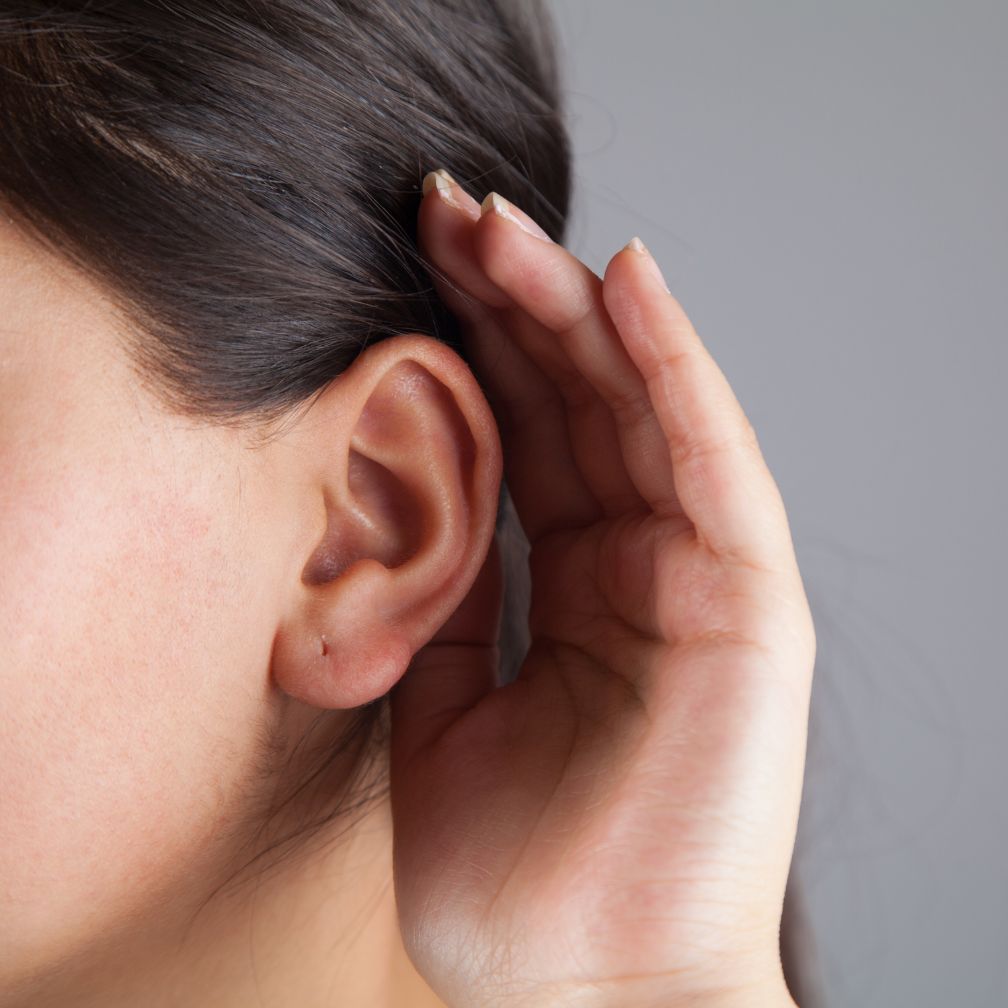
What is the source of that bizarre internal sound resembling continuous static or rushing wind inside your head? Why can’t anyone else hear it? It’s not your imagination.
Happily, you are likely not suffering from “phantom ring syndrome,” a modern behavioral manifestation where excessive cellular device users falsely perceive incoming calls, vibrations, or alerts.
But it could be tinnitus. And yes, what you’re hearing is real, and there are some things that can make tinnitus worse.
You can still hear what people say. Rather, it simply feels as though an unwanted layer of acoustic static has been artificially superimposed over your entire auditory field.
In this guide, we will investigate the neurological origins of this static, define its pathology, and explore proven methods to minimize or eliminate its impact.
Understanding Tinnitus: The Mechanics Behind Internal Head Static
From an audiological standpoint, tinnitus is almost always a direct proxy for localized hearing loss. It’s characterized by a constant or intermittent noise that sounds like it’s on top of what you hear. Depending on the type of tinnitus you have, it may be unnoticeable most of the time. Conversely, you may be trapped in a severe cycle where the internal static feels absolutely overwhelming, disrupting your concentration and peace of mind.
Most patients frequently fail to find words that accurately convey their struggle, because this subjective sensory deficit defies the imagination of anyone who has never lived it.
It can feel deeply disorienting to process an intense internal buzz that leaves absolutely no measurable trace in the physical room. Is it a hallucination? It is deeply frustrating that an internal frequency can actively block your ability to understand clear speech from colleagues. Or sleeping?
The Quiet Room Trap: How Inactivity Highlights Internal Buzzing
You have likely observed that as your immediate surroundings become increasingly silent, your perception of the tinnitus scales up dramatically. That’s because the noise you hear in your ears does not have to compete with any other sounds – for example, most people keep their bedrooms completely silent while they sleep at night. They choose to run no active entertainment devices, omit music, and enforce a strict policy of zero structural sound. Furthermore, being left alone with your internal thoughts allows the unprompted ear static to command your undivided attention, initiating an anxious loop that makes the volume seem significantly louder. Whether your condition presents as a faint hiss or a booming roar, a quiet nocturnal space creates a sensory vacuum that allows tinnitus to fully take control of your mind.
The Variable Auditory Profiles of Chronic Tinnitus Explored
Not only does the disorder defy easy explanation to outsiders, but sharing notes with another patient can frequently muddy the waters. Because their internal audio profile may feature entirely unique pitches or patterns compared to your own, you might mistakenly assume your specific condition has a different medical diagnosis.
However, statistically speaking, your symptoms are almost certainly a manifestation of the exact same condition. The explanation is simple: this auditory deficit is incredibly diverse, crafting unique sensory experiences for each patient’s brain layout. These include, but aren’t limited to, hearing:
- A continuous blanket of high-frequency digital static
- Humming
- An active, vibrating internal buzz resembling an electrical current
- A persistent, thin ringing frequency that cuts through silence
- Thumping
- A steady, monotonous frequency resembling an active dial tone
Under standard clinical circumstances, you remain the exclusive audience for the subjective white noise generated by your neural pathway errors. Because of this, a traditional doctor cannot physically audit or hear the frequency to validate your complaint. Out of medical necessity, your healthcare provider must rely entirely on your subjective self-reporting to establish the history.
This lack of objective testing can easily make a patient feel completely invalidated when consulting a general doctor who lacks specialized understanding of ear pathways.
To illustrate, an industrial steelworker named Thomas shared his story: “The moment that intense ringing initiated, I consulted my family physician. While the physician did agree that it matched the description of tinnitus, he completely underestimated how exhausting the background noise was to my mental health. He treated the problem as if it were an insubstantial issue that I could easily ignore. He assumed I could easily tune out the static and offered absolutely no management strategies or medical next steps.’
Transitioning your care to an expert otolaryngologist eliminates this frustration, ensuring your symptoms are validated while mapping real-world treatments. In many clinical scenarios, the specific tonal characteristics of your internal noise provide vital diagnostic data regarding the most effective intervention path.
Well, it’s really more of a whooshing sound in my ears
What makes it even harder to describe this noise to a doctor is the fact that there are so many different ways tinnitus can manifest itself. For example, if you hear a whooshing sound or a thumping sound in your ears, which is then followed by a steady series of beats that mimics your pulse, you may actually have a rare type of tinnitus called pulsatile tinnitus.
The reassuring reality is that this specific rhythmic variant is highly responsive to medical intervention, as it is generally driven by treatable vascular conditions like high blood pressure or arterial blockages.
That roaring sound is frequently generated by localized circulatory friction inside narrowed vascular structures near the ear, creating an audible murmur known as a bruit. It’s critically important to get this checked out and treated, as in rare cases, the whooshing sound could be a sign that you’re heading for a seizure or stroke, either of which could prove fatal.
When Your Phantom Noise Is Measurable to an Outside Observer
The reality is undeniable: this persistent head noise is a legitimate, exhausting condition that severely impacts quality of life. While traditional forms defy direct observation, rare presentations of vascular tinnitus enable a trained professional to utilize an amplified stethoscope to audibly track the internal murmur alongside you. Keep in mind, however, that this physical verification is strictly limited to the pulsatile subtype, which represents a small fraction of overall global tinnitus diagnoses.
Tracing the Roots of Your Head Static: Common Medical Causes
The most common cause of tinnitus is a loud noise that you were exposed to over a period of time. Consequently, we see a massive volume of cases among stage performers, industrial operators, and manual laborers who face heavy acoustic strain day in and day out over decades.
Occupational data highlights several high-risk industries where workers frequently develop severe auditory ringing, including:
- Factory Work – You’re around noisy machines all day long, so that’s got to do something with your senses, right? On top of the noise, factory work can be stressful, which is another factor that leads to tinnitus and, over time, can make it much worse. Do you work near a pneumatic riveter? They are some of the worst, clocking in at over 125 decibels, which is loud enough to cause immediate, permanent hearing loss, as well as severe cases of tinnitus.}
- Commercial Agriculture – Do not blame your symptoms on a standard rooster call. While a crowing rooster registers at a surprising 90 decibels, contemporary agricultural environments embed machinery that is vastly more destructive to human ears. Industrial tractors, heavy combine harvesters, automated cherry-pickers, and vacuum milking lines generate continuous, extreme noise pollution. Even routine maintenance tasks pose a threat; a standard workshop table saw easily exceeds 85 decibels, a level that permanently damages hearing cells over a long timeline of exposure.}
- Pilots and Flight Crew – At a distance of 100 feet, a standard jet engine blasts a punishing 140 decibels directly into the environment. While aviation safety rules require pilots to wear defensive ear protection, operators of light aircraft are positioned inches away from the propulsion source. Traditional headsets cannot completely block out this massive volume of sound pressure, ensuring that a career spent in the cockpit often results in a slow, progressive decline in hearing acuity and secondary tinnitus.}
- Motorcycle Traffic Enforcement – You don’t need a badge to mount a motorcycle, but spending your entire working day atop a roaring engine exposes your ears to a toxic combination of motor exhaust and high-speed wind noise that induces chronic tinnitus. This identical sensory threat applies to operators of industrial snowmobiles and personal watercraft, though such vehicles are rarely part of a standard corporate job unless you work in an exceptionally adventurous field.}
- Nightlife and Hospitality Personnel – To fulfill your duties, you must accurately capture a patron’s drink order from across a crowded room. However, the ambient acoustics in modern nightclubs are set so high that discerning speech becomes a massive physical struggle, forcing your auditory cortex to work overtime against a wall of sound. If the venue hosts a live band or high-powered subwoofers, your inner ear suffers the exact same structural trauma experienced by the musicians on stage.}
Across every single one of these vocational examples, the microscopic stereocilia (hair cells) inside your cochlea were physically damaged by prolonged high-decibel exposure. These delicate cellular structures are responsible for converting physical sound vibrations into electrical signals that the brain can decode into meaningful language. Unlike the rest of your body, when these hairs are damaged, they don’t heal or reproduce, and leave you with a distorted sense of hearing.
What makes this strange noise in my head worse?
In addition to primary acoustic trauma, a variety of systemic health issues and lifestyle habits can actively amplify the baseline static in your ears.
- Psychological Distress – Chronic anxiety and clinical depression frequently trigger an agonizing neurological feedback loop. As your emotional symptoms amplify, your brain’s gating mechanisms fail, causing the tinnitus to seem much louder—which in turn drives your anxiety and depression to deeper levels.}
- Ignoring Your Body’s Warning Signs – Your ears possess natural defensive thresholds and experience physical discomfort when a room is too loud. Rather than simply enduring the painful volume, you must actively protect your auditory system, as these delicate cells cannot be replaced once destroyed.}
- High Blood Pressure – Unmanaged hypertension can cause severe micro-circulatory issues, starving your cochlear architecture of oxygenated blood. This fluid restriction causes an immediate surge in the loudness of your tinnitus and can compound your long-term hearing degradation if left untreated.}
- Nicotine Consumption – The intense neurological irritation and withdrawal anxiety you experience between cigarettes actively magnifies your perception of the ringing. While your immediate instinct may be to light another cigarette for relief, this choice simply worsens the underlying issue over time due to the severe vasoconstriction nicotine inflicts on your circulatory system.}
- Some foods – Some people find that caffeine and artificial sweeteners make tinnitus worse. Keep a food journal to track everything you eat, along with your tinnitus level, to find out which foods make your symptoms worse.}
- Interpersonal Stress – Engaging with consistently negative or high-conflict individuals can cause your tinnitus to flare up by triggering systemic hypertension, anxiety, and mood drops. Take a moment to analyze whether certain social circles are causing you physical harm, and weigh that toll against the value of your long-term wellness. Remember, you cannot force others to change their behavior, but you can always choose to distance yourself from their environment.}
- Pregnancy – Approximately one-third of women experience localized ear ringing during gestation, a phenomenon routinely triggered by shifting endocrine baselines and increased cardiovascular demands.}
- Cerumen Impaction – When old earwax migrates deep into the canal and impacts against the delicate eardrum, it can create a variety of unusual, scraping noises. Having that material safely extracted by a medical professional can completely stop the ear ringing on the spot.}
- Some medications – Opiates, antibiotics, diuretics, chemotherapy and over the counter painkillers have all shown a link to tinnitus, so you should speak with both a hearing specialist and your primary doctor to understand the risks and side effects.}
Reviewing Effective, Clinically Proven Tinnitus Management Options
If you have an underlying condition, talk to your doctor. Specific systemic disorders significantly worsen your internal noise levels, particularly unmanaged anxiety and high blood pressure.
After all primary medical and vascular variables have been successfully managed, you can confidently explore specialized audiological interventions. These include:
- Meditation, Yoga, or another relaxing activity to reduce stress. Managing stress in a healthy way without substances isn’t something that most people learn at home or in school. Many people choose to learn them because they find that these techniques work.}
- Ambient Sound Conditioning – Implementing a bedside white noise generator can supply immediate comfort when you are trying to fall asleep. It is critically important that you never attempt to blast past the internal hum using tight headphones or loud music blocks. Doing so will only inflict further trauma on your stereocilia, driving up the baseline volume of your tinnitus over the long term.}
- A hearing aid, which can be set to cancel the sound. Hearing aids today have advanced features like tinnitus cancellation. They can be programmed during the hearing aid fitting to emit a sound that cancels out the specific tone you hear.}
- Sound treatment, which trains your ear to ignore the sound. Sound therapists emit a sound into your ear that mimics the sound you hear. It teaches your brain to ignore the sound and focus on other sounds, like voices.}
- Cognitive Behavioral Therapy (CBT) – This gold-standard psychological methodology is heavily utilized by mental health experts to break destructive cognitive habits and anxiety loops. If you find yourself constantly obsessing over negative current events, stressful news, or external life variables outside your control, CBT provides a powerful framework. The therapy successfully retrains your brain to shift attention toward constructive thoughts and actionable personal choices, which drastically lowers your systemic cortisol and stress levels.}
Can listening to white noise help cure my tinnitus?
You’ve heard of fighting fire with fire, but what about fighting white noise with white noise? Data from a recent medical study in the UK confirmed that although white noise sound conditioners help patients manage their symptoms, maximum relief requires pairing the audio with targeted medical counseling.
It is vital to understand that a universal cure for ear ringing does not yet exist, but our current therapeutic options are exceptional at helping you minimize the daily impact of your symptoms.
What should be your primary line of defense when dealing with chronic head static? Your absolute highest priority should be to secure a professional hearing evaluation from an expert. This essential baseline test will reveal exactly how much the internal static is degrading your word recognition score and speech comprehension during daily conversation. Armed with that objective audiological data, you can collaborate with your local ear specialists to build a customized treatment framework.
Audio Illusions: Explaining Phantom Melodies and Speech in Background Noise
If you are perceiving distinct melodies or spoken words within raw static, you are likely dealing with a phenomenon separate from standard tinnitus. Please do not worry or panic over this development, as it is completely unrelated to schizophrenia or alternative serious mental health conditions. Statistically, you are simply experiencing a well-documented neurological effect called Musical Ear Syndrome, pattern-seeking apophenia, or acoustic pareidolia. Your brain’s processing centers are incredibly advanced at pattern recognition, frequently attempting to organize chaotic background sound waves into meaningful signals. Consequently, when confronted with a steady, meaningless hum, your cognitive processing filters can accidentally misinterpret the data. For example, pareidolia is when you interpret those meaningless noises into something you’ve heard before, such as music. If there is no noise whatsoever, yet you still hear music, this may be a musical hallucination.