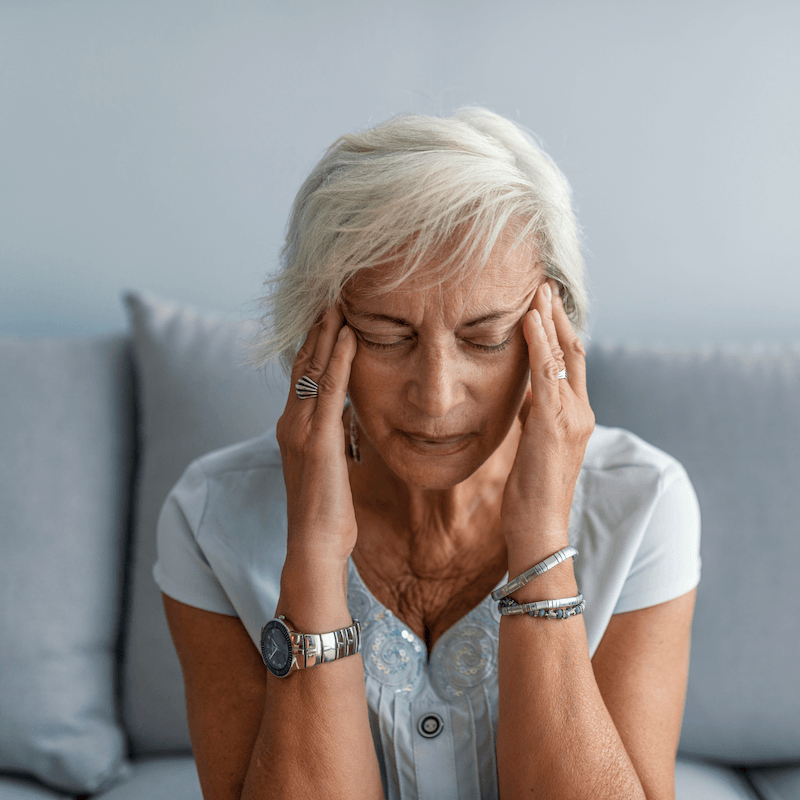
Migraine disease involves far more than severe headaches, with vestibular migraine primarily destabilizing balance, motion perception, and physical orientation. We provide specialized assessments for recurring vertigo to determine if a vestibular migraine or a competing vestibular disorder is responsible. To achieve successful migraine treatment, patients must understand their symptom patterns and report them accurately to their medical provider.
Differentiating Vestibular Migraine From Classic Migraine Attacks
Although stemming from the same neurobiological disorder spectrum, vestibular migraine and typical migraine present with distinct primary complaints. Regular migraine attacks typically revolve around unilateral, throbbing head pain of moderate to severe intensity that increases with everyday motion. This cephalalgia is often accompanied by gastrointestinal nausea, photophobia (light sensitivity), phonophobia (sound sensitivity), and visual aura.
The primary presentation of vestibular migraine encompasses episodic vertigo, subjective dizziness, gait imbalance, and motion sensitivity. Headache may occur, but it is not required during every vestibular episode. Flare-ups can feature an illusory sensation of internal or environmental spinning, head-movement-induced dizziness, and visual vertigo in crowded spaces.
Standard clinical diagnostic guidelines define vestibular episodes as lasting anywhere from five minutes up to 72 hours. Symptoms can vary from one attack to the next, making the connection to migraine less obvious than it is with recurring head pain.
What Mechanisms Drive Vestibular Migraine?
No single disorder is known to cause vestibular migraine. The clinical phenomenon involves shared brainstem and cortical pathways that process migraine pain alongside balance inputs. Individual or hereditary migraine history, paired with lifelong motion sickness, substantially elevates clinical susceptibility.
Typical episode triggers encompass the following:
- Inadequate sleep duration or irregular circadian rhythms
- Inconsistent meal timing, caloric restriction, or insufficient water intake
- Emotional stress or recovery after stress
- Catamenial hormonal fluctuations, menstruation, or perimenopause
- Bright, flashing, or visually complex surroundings
- Prolonged travel, turbulent physical motion, or rapid digital screen scrolling
- Alcohol consumption or exposure to specific dietary triggers like aged cheeses or nitrates
- Barometric pressure shifts, rapid weather transitions, or multisensory overload
What Are the Symptoms of Vestibular vs. Regular Migraines?
Although typical migraines are known for throbbing headaches, the disease encompasses a broad constellation of symptoms beyond pain. Clinical presentations frequently feature nausea, vomiting, visual aura, physical exhaustion, mental clouding, neck pain, and sensory hypersensitivity.
The clinical presentation of vestibular migraine may feature:
- True rotational vertigo or generalized non-rotational movement illusions
- Postural disequilibrium, ataxia, or generalized loss of balance
- Dizziness triggered or aggravated by rapid head turns or tilting
- Motion-induced nausea or severe motion sickness
- Sensory intolerance triggered by scrolling monitors, bustling public crowds, oncoming traffic, or geometric lines
- Illusory sensations of bobbing, swaying, boat-like rocking, floating, or directional pulling
- Exaggerated sensitivity to ambient lighting, loud acoustic stimuli, or visual clutter
- Diffuse head pressure, orbital tension, or characteristic throbbing migraine pain
- Reversible ear fullness, localized acoustic pressure, or ringing in the ears
Identifying the specific temporal pattern, duration, and triggers helps clinicians distinguish vestibular migraine from other balance conditions. Acute vertigo presenting with unilateral weakness, numbness, speech deficits, diplopia, fainting, or severe loss of ambulation requires urgent medical intervention.
Experiencing Vestibular Symptoms and Migraine Headaches Simultaneously
Indeed they do. Vestibular vertigo and migraine head pain can occur simultaneously within a single clinical flare-up. Vertigo can herald the onset of headache, accompany active head pain, persist after the pain subsides, or present during an isolated, headache-free attack. Certain patients experience cyclical shifts, alternating between headache-predominant and vertigo-predominant episodes over extended periods.
It is not necessary for a vestibular episode to involve headache pain to be directly tied to migraine disease. Documenting flare-ups in a symptom diary illuminates subtle patterns that might otherwise be forgotten during doctor visits. Be sure to log the onset and duration of dizziness, headache severity, sensory changes, menses, sleep quality, dietary intake, identified triggers, medications taken, and treatment responses. Providing this detailed history ensures that your audiological and ENT assessment remains highly accurate.
Clinical Diagnostic Procedures for Vestibular Migraine
Clinicians cannot rely on a single laboratory marker, radiological scan, or balance study to confirm vestibular migraine. The diagnostic pathway commences with an in-depth clinical interview regarding attack presentations and personal migraine history. Current criteria generally include at least five moderate or severe vestibular episodes lasting five minutes to 72 hours, with migraine features during at least half of them.
Our clinical evaluation includes targeted neurological exams, oculomotor testing, middle-ear inspections, diagnostic audiometry, and specialized balance studies. Depending on the symptoms, testing may include an audiogram, positional testing, vestibular studies, or imaging. Such objective tests are crucial to differentiate vestibular migraine from other balance disorders presenting with similar symptoms. A definitive diagnosis of vestibular migraine is rendered only when your clinical pattern fits established criteria and another diagnosis is definitively excluded.
How Are Vestibular Migraines Managed and Treated?
Managing vestibular migraine demands an individualized treatment plan that reflects attack regularity, symptom intensity, headache presence, systemic health, and pharmaceutical risks. Effective clinical management frequently involves combining long-term daily prevention with an actionable rescue strategy for acute attacks.
We partner with you to construct a targeted management plan that may involve:
- A regular sleep, meal, hydration, and exercise schedule
- Identification and reduction of consistent personal triggers
- Utilizing behavioral health interventions, relaxation training, or cognitive stress-management techniques
- Medication for nausea or other acute symptoms
- Controlled, short-term administration of vestibular suppressants during acute, disabling attacks
- Preventive medicines such as beta-blockers, calcium channel blockers, topiramate, certain antidepressants, or other migraine therapies
- Vestibular rehabilitation for persistent motion sensitivity or imbalance
We prescribe vestibular suppressants conservatively, given that regular consumption causes sedation and delays the brain’s natural compensation mechanisms. Pharmacological choices must be customized directly with our clinical team rather than adopting another individual’s migraine regimen. Clinical stabilization often involves gradual pharmacological adjustments alongside diligent, long-term symptom logging.
Arrange an Otolaryngology Balance Assessment
Should recurrent dizziness, motion sensitivity, or unsteadiness interfere with your daily routine, book a clinical consultation with our team. Your comprehensive consultation entails a thorough evaluation of migraine history, medical background, and individual goals, using targeted diagnostics to isolate vestibular migraine from BPPV, Ménière’s disease, or other vestibular etiologies. Contact our ENT clinic today to schedule your vestibular migraine appointment.