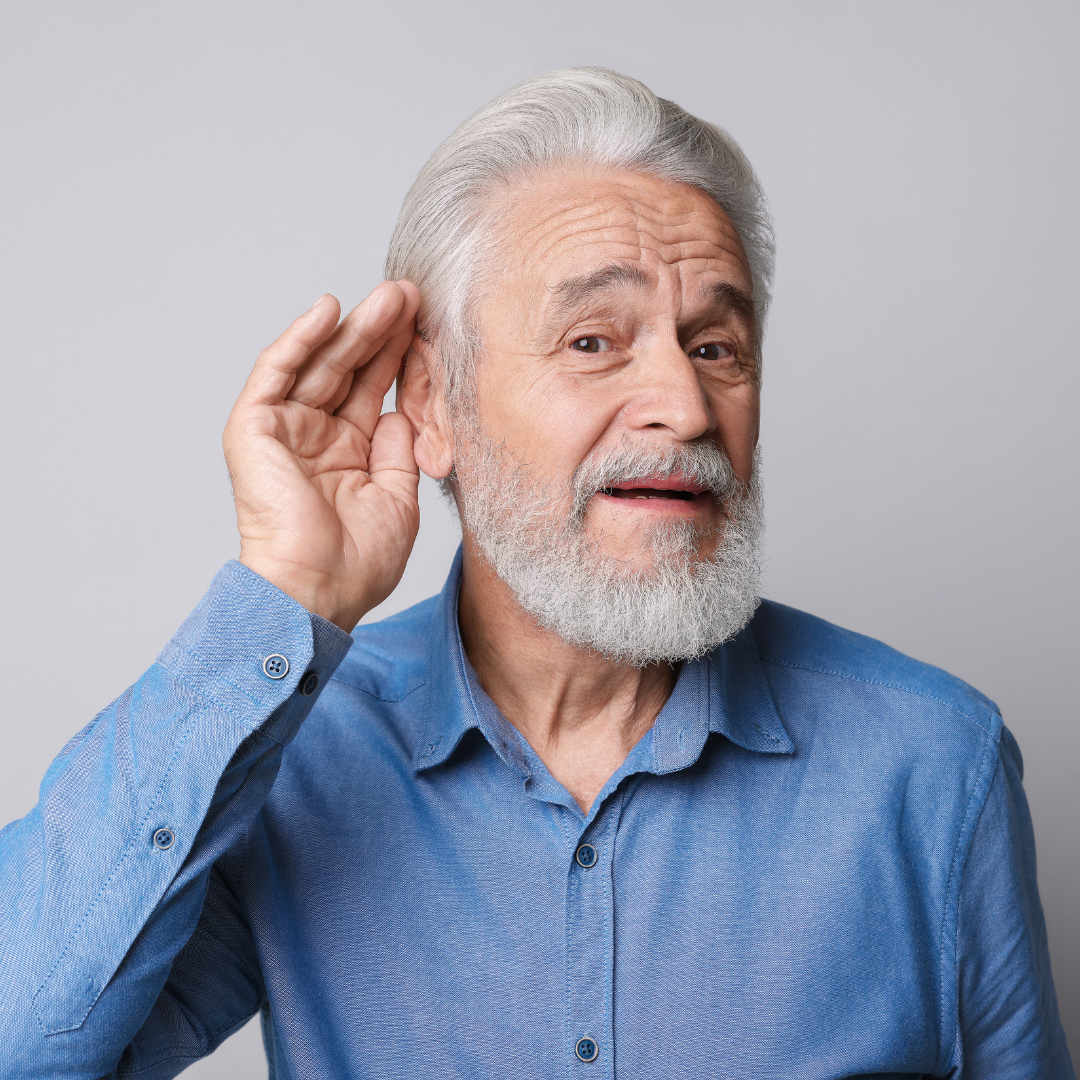
A rapid drop in hearing in one ear can cause immediate fear and leave patients confused regarding the appropriate next steps. Our clinical specialists offer urgent hearing evaluations and facilitate rapid medical care when sudden unilateral hearing loss arises. Sudden hearing loss always requires immediate attention from a hearing specialist to explore treatment or hearing rehabilitation when needed.
Why Acute Single-Sided Hearing Loss Demands Emergency Care
Yes. A sudden hearing loss affecting one ear must be addressed as a true medical emergency, especially if it unfolds across hours or several days. Known medically as sudden sensorineural hearing loss or sudden deafness, this emergency involves the sensory labyrinth or central auditory neural pathways. The episode frequently strikes without pain, making it easy to dismiss as seasonal allergies, sinus pressure, or a clogged ear.
Typical warning signs include:
- A sharp, noticeable drop in auditory volume or speech clarity in one ear
- Struggling to hear or follow telephone speech on the compromised side
- A popping sensation or pressure before hearing changes
- Sudden-onset tinnitus characterized by ringing, buzzing, or roaring within the impaired ear
- Concomitant dizziness, spatial disorientation, or true spinning sensations
Do not wait for hearing to restore on its own. Contact our audiology practice, an emergency department, or an ear, nose, and throat physician for immediate same-day direction.
Why Rapid Clinical Intervention Matters for Sudden Unilateral Hearing Loss
Prompt diagnosis is paramount because pharmaceutical therapies for sudden sensorineural hearing loss achieve optimal outcomes when initiated immediately. We first differentiate whether the condition represents a conductive loss from cerumen or fluid, or a true sensorineural loss involving the inner ear or vestibulocochlear nerve. Both conditions produce overlapping sensations of aural fullness and hearing loss, but their clinical interventions are entirely divergent.
Otoscopic examination and full-battery diagnostic hearing testing determine the specific classification, audiogram pattern, and severity of the hearing loss.
Pursue immediate hospital emergency assessment if your sudden hearing loss coincides with:
- Facial drooping, weakness, or numbness
- Impaired speech articulation, profound cognitive confusion, or an intense new headache
- Diplopia (double vision), syncope (fainting), or severe gait ataxia
- Acute angina (chest pain) or any secondary indicators of systemic vascular crisis
Such clinical findings often indicate an urgent vascular or central neurological emergency that cannot wait for an outpatient appointment.
Understanding the Underlying Causes of Sudden Unilateral Deafness
Clinically, most instances of sudden sensorineural hearing loss are classified as idiopathic, meaning the root cause cannot be established. When clinical workups identify a source, it usually relates to vascular ischemia, cellular inflammation, acoustic trauma, immune reactions, or acoustic nerve pathology.
Documented clinical etiologies include:
- Viral or bacterial infections
- Mechanical head injury or sudden exposure to high-intensity blast noise
- Diagnosed autoimmune disorders affecting the inner ear sensory systems
- Ingestion of ototoxic pharmaceuticals known to compromise inner ear structures
- Cochlear ischemia resulting from vascular occlusion or microcirculatory failure
- Peripheral inner ear pathologies such as classic Ménière’s disease
- Demyelinating central nervous system diseases including multiple sclerosis
- A vestibular schwannoma (acoustic neuroma) developing on the vestibulocochlear nerve
Given that subjective symptoms cannot distinguish between these conditions, rapid clinical evaluation and audiologic testing are vital.
How Is Sudden Sensorineural Hearing Loss Treated?
Corticosteroids are a common treatment when sudden sensorineural hearing loss has no clear cause. They may be taken by mouth or delivered through the eardrum into the middle ear, where the medication can reach the inner ear. Therapeutic recommendations are established by our clinical providers, incorporating symptom onset timeframes, audiometric thresholds, underlying systemic health, and adverse effect profiles.
Medical evidence supports initiating steroid treatment within the first two weeks, underscoring the necessity of immediate clinical intervention. Targeted intratympanic steroid injections are often indicated as salvage therapy when oral regimens fail to provide full auditory restoration. In specific clinical presentations, the otolaryngologist may recommend combining hyperbaric oxygen therapy alongside standard steroid regimens.
Prognosis and Spontaneous Recovery in Sudden Unilateral Hearing Loss
Patients with sudden sensorineural hearing loss can sometimes experience spontaneous recovery without clinical intervention. Approximately fifty percent of affected patients see some or all of their hearing return on its own, usually within one to two weeks of onset. Yet, no reliable clinical markers exist at presentation to identify who will recover, how much hearing will be restored, or if recovery will remain stable.
The potential for spontaneous resolution should never serve as a reason to postpone diagnostic evaluation and care. Treatment becomes less likely to reverse permanent loss when it starts weeks after the change, so waiting may close an important treatment window. Hearing recovery spans a spectrum ranging from complete resolution to partial restoration or minimal gains.
Long-Term Solutions When Sudden Hearing Loss Does Not Recover
If auditory recovery is incomplete following treatment, clinical planning depends on remaining hearing levels, single-ear speech understanding, and comprehensive diagnostic imaging. Our clinicians frequently recommend diagnostic MRI imaging or specialized auditory brainstem response testing to evaluate the hearing nerve and surrounding anatomy.
Ongoing rehabilitative technologies include:
- Custom programming of a traditional hearing aid when the ear maintains usable acoustic thresholds
- Utilizing a CROS hearing aid system designed to stream acoustic signals from the impaired ear to the normal-hearing ear
- An osseointegrated bone-conduction hearing system or bone-anchored hearing device for qualifying candidates
- A cochlear implant for qualifying cases of single-sided deafness
- Tailored assistive listening systems to improve communication across work, academic, or social settings
Individualized audiologic rehabilitation actively addresses listening fatigue, compromised directional localization, and conversational strain. The appropriate auditory solution depends entirely on objective hearing test outcomes, lifestyle requirements, systemic health, and patient preferences.
Book an Immediate Diagnostic Hearing Evaluation
If you have experienced an acute auditory shift today or in recent days, pursue urgent same-day medical evaluation instead of waiting for routine appointments. Our clinical team will administer diagnostic hearing tests, analyze interaural differences, evaluate symptom onset chronology, and coordinate with an otolaryngologist or medical team immediately.
Contact our clinic without delay to request a prompt hearing evaluation.