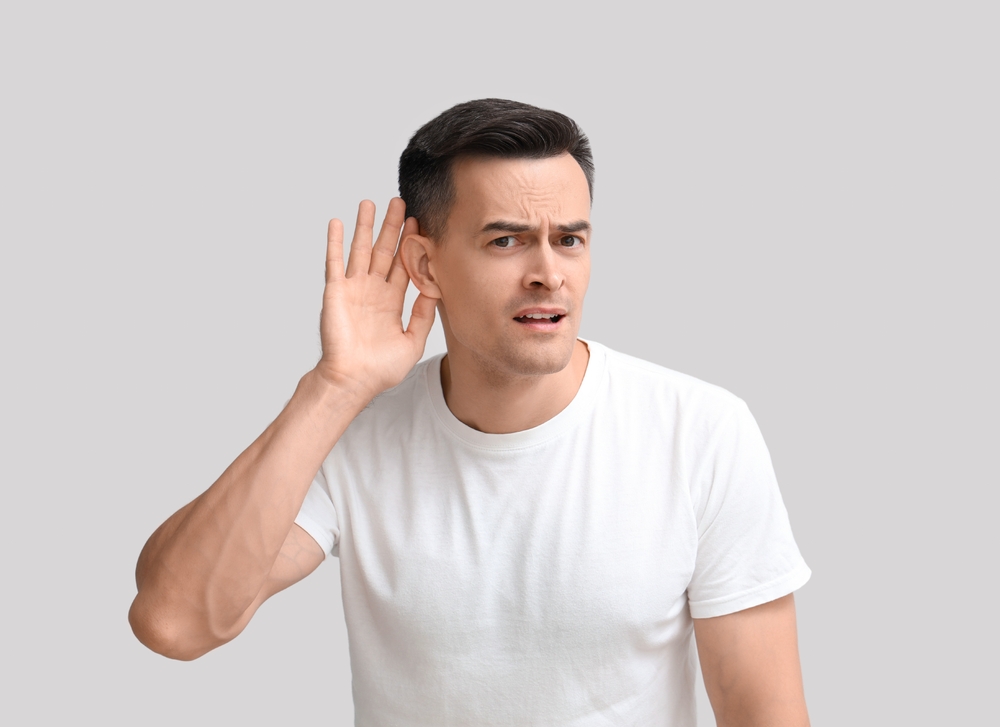
Is it common for you to feel physically and mentally spent after navigating a social environment?
You might initially blame your exhaustion on general tiredness or a busy lifestyle. And it’s true that for introverts or people with sensory issues, social situations can be exhausting. However, in many clinical scenarios, the underlying driver is a neurological phenomenon known as auditory fatigue.
This condition manifests when the brain’s auditory cortex is forced into an overactive state to interpret sound. The brain’s attempt to reconstruct incomplete audio data requires an immense amount of “processing power” and neural energy. Accumulated listening strain eventually manifests as the profound exhaustion associated with auditory fatigue.
It is common for patients to conflate auditory fatigue with general daily exhaustion. However, it can actually be an early sign of hearing difficulties. A comprehensive assessment can help determine whether hearing loss is contributing to your symptoms. Should these symptoms persist, it is vital to discuss the possibility of hearing loss with a healthcare professional.
What Causes Auditory Fatigue?
Various stressors can overtax the auditory cortex, leading directly to the onset of auditory fatigue.
Why Untreated Hearing Impairment Causes Fatigue
One of the most common causes is untreated hearing loss.
The inability to capture high-frequency sounds forces the brain to work double-time to interpret the message. This constant guesswork increases listening effort, which can quickly lead to mental exhaustion during conversations.
Noisy Environments
Acoustically complex settings serve to intensify the demand on the brain’s filtering systems. Environments with significant background chatter make it difficult for the brain to isolate and prioritize relevant audio signals.
When multiple sounds occur at once, the brain must filter through them to identify the important information. This process can create cognitive overload, especially for people with hearing loss (even mild cases).
Distortion, Tinnitus, and Cognitive Drain
Chronic tinnitus compounds listening effort as the brain struggles to ignore internal noise while focusing on external speech.
When hearing loss causes sound to arrive garbled, the brain must work with higher intensity to extract meaning.
Clinical Red Flags for Auditory Fatigue
This type of fatigue often degrades both your ability to concentrate and your general vitality. Frequently observed symptoms include:
- Sense of being “wiped out” after a basic discussion
- Inability to maintain attention in multi-person dialogues
- Physical head pain triggered by extended periods of listening effort
- A sense of agitation triggered by difficult listening conditions
- Self-isolation as a defense mechanism against listening effort
- Requiring immediate sensory deprivation or sleep after socializing
Should these signs become habitual, they serve as evidence of excessive cognitive load.
How the Brain Compensates for Hearing Impairment
With healthy hearing, the brain’s speech recognition pathways operate with high efficiency. The presence of hearing loss creates a “resource drain,” pulling energy away from memory and logic to help hear speech.
In clinical literature, this phenomenon is identified as a surge in cognitive load. It involves the brain siphoning energy from memory retrieval and focus to prioritize basic speech understanding. The long-term effect of this cognitive shift is the profound “emptiness” felt after socializing. Even short conversations may require more concentration than they should.
Why a Hearing Test is the First Step to Recovery
A formal auditory screening is the most effective way to determine why you feel so drained. During a comprehensive hearing test, an audiologist will measure how well you hear different tones and speech sounds. Testing your hearing in a noisy context is vital for identifying the true drivers of your social exhaustion.
A comprehensive hearing test can determine whether hearing loss is contributing to your fatigue and help guide the next steps for treatment. Early diagnosis facilitates prompt intervention, preventing the onset of chronic cognitive load issues.
Restoring Energy Through Hearing Care
Addressing the underlying impairment is the most direct way to eliminate auditory fatigue.
High-tech hearing aids do the “heavy lifting” for the brain by isolating and clarifying voices in real-time. By delivering a clean signal, these devices eliminate the need for the brain to expend energy on reconstruction.
When listening becomes easier, many people notice improvements in:
- Sustained cognitive stamina during the workday
- Ability to follow complex dialogue without drifting off
- Reduced anxiety and heightened ease during social events
With less strain on the brain, everyday interactions can feel more natural again.
Recognizing the Right Moment for a Hearing Test
Consider booking a hearing test if any of the following rings true:
- You feel exhausted after conversations
- You are increasingly told that you are missing parts of the conversation
- You find yourself “guessing” at words in loud settings
- Social withdrawal is becoming your default response to difficult acoustics
Seeking prompt audiological care is the most effective way to reclaim your energy and social confidence.
FAQs About Auditory Fatigue
Is auditory fatigue the same as hearing loss?
Actually, no; auditory fatigue is the cognitive result of the strain, not the physical impairment itself. That said, hearing loss remains the primary catalyst for chronic listening burnout.
Can hearing aids reduce listening fatigue?
Absolutely; by cleaning up the acoustic signal, modern devices take the processing load off the brain.
Can Auditory Fatigue Be Cured?
Most patients find that their energy returns once the listening “gap” is closed with technology.
Stop Feeling Drained After Conversations
You shouldn’t feel exhausted after everyday conversations. If listening leaves you mentally drained, your ears and brain may be working harder than they should.
Schedule your hearing test today by contacting us today. The path to social confidence and mental clarity begins with accurate hearing data.