When your hearing feels dampened, it can impact your daily routine and leave you feeling detached from your environment. It is common to assume that muffled sound signifies long-term hearing deficiency, but the problem is often just a treatable cerumen obstruction.
Knowing how to identify these differences guarantees you obtain the correct care, whether that is safe wax removal or a clinical hearing test. In the event you are experiencing muffled hearing, don’t panic. A consultation can help you get to the bottom of it, but in the meantime, here’s what you should consider about earwax buildup (also known as earwax blockage) vs. permanent impairment.
How to Recognize a Wax Blockage
Earwax (wax) is a natural, protective substance that helps capture dirt and debris and keeps the auditory canal functional. The trouble starts when this substance collects to the level of a physical obstruction.
Symptoms of a clog often feature:
- A significant decrease in hearing volume
- A sensation of fullness or clogging in the ear
- Localized tenderness or localized aching in the ear
- Internal tinnitus within the affected ear
- Hearing that clears briefly after opening the jaw or chewing
Because obstructions are physical, they commonly affect just one ear at a time rather than each uniformly. Fortunately, clearing the blockage typically resolves the symptoms instantly.
How Auditory Loss Typically Presents
Unlike a brief blockage, sensorineural hearing deficit usually advances steadily over years and is not resolved by cleaning the canal.
Markers of irreversible auditory decline often feature:
- Challenges with word clarity in crowded or noisy locations
- Constantly asking people to repeat themselves
- Setting electronic device volumes to a point that others find uncomfortable
- Difficulty hearing high-frequency sounds like nature or children’s voices
- Hearing equally reduced on both sides
Crucially, hearing impairment is an intelligibility issue that rarely includes the perception of manual fullness found with wax.
Comparing Cerumen Blockage and Hearing Loss
By analyzing the onset and specific markers, you can often identify which condition is affecting you:
- Onset: Earwax issues often come on suddenly; auditory impairment develops slowly
- Longevity: Cerumen issues are fixable and short-term, whereas impairment is typically chronic
- Feelings: Tactile “plugging” points to cerumen, while the inability to clarify sounds points to loss
- Sides: Unilateral muffled sound suggests wax, while both sides point to impairment
Why Professional Intervention is Necessary
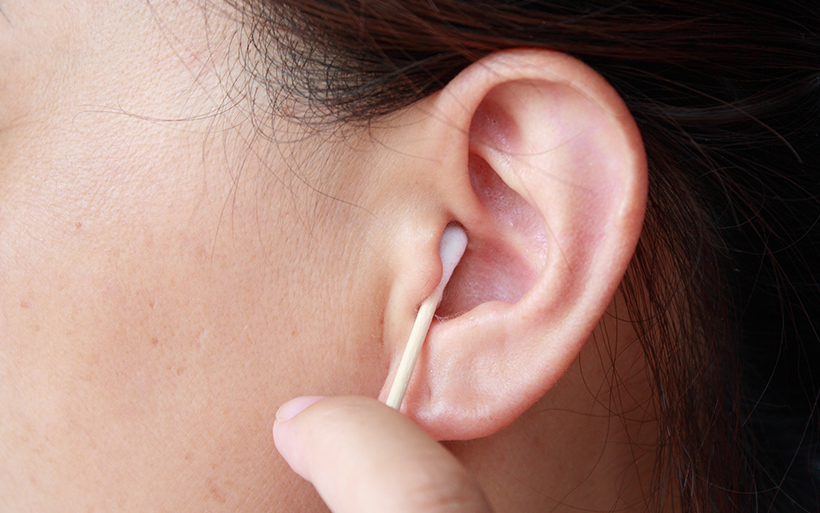
When hearing feels muffled, the natural urge is to use a Q-tip, but this is frequently a dangerous move. In reality, manual poking often compacts the cerumen further against the tympanic membrane, making the impaction more severe.
According to the National Library of Medicine, inserting objects into the auditory canal increases the risk of blockage and trauma.
On the other hand, presuming a concern is merely wax when it is actually hearing loss can prevent you from getting the assistance you require to remain connected.
What to Anticipate Throughout a Formal Appointment
A clinician can use an earlight to immediately visualize if a mechanical obstruction is visible.
If an obstruction is found, a clinician can remove it safely, often restoring your hearing immediately.
If no cerumen is found, a diagnostic hearing test will be used to map the type and degree of any hidden loss.
Health authorities advise seeking a professional evaluation as promptly as you notice auditory changes that impact your lifestyle.
Finding the Right Path for Better Hearing
Muted auditory quality is not a certain sign of long-term impairment.
Frequently, the problem is simply a collection of cerumen that can be easily resolved.
Our audiology specialists can assist you to get to the root of muffled hearing so you can move forward with confidence and peace of mind.
Keep in mind: The sole reliable way to distinguish the difference between earwax buildup and hearing loss is with a professional evaluation.
Finding answers early can prevent unnecessary stress and guarantee you obtain the right treatment at the optimal time.
If your auditory sense feels off, avoid guesswork. A brief check can provide all the difference, so reach out to our practice of specialists right now.