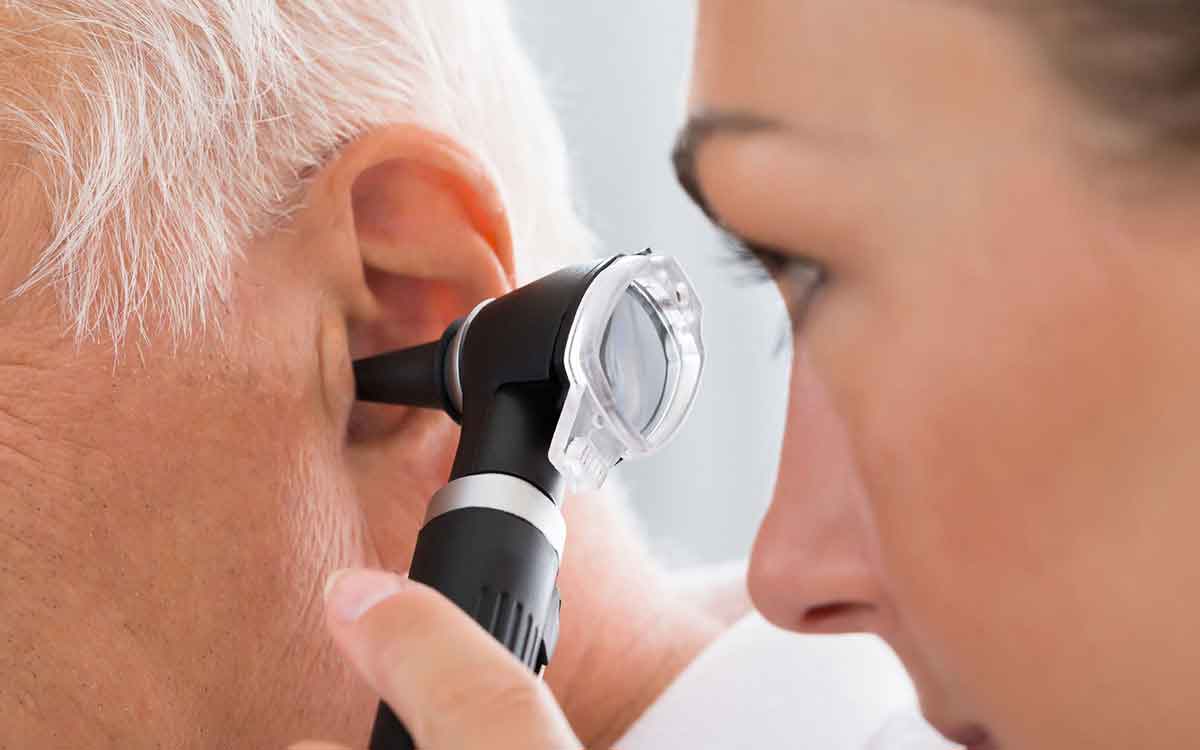
Because hearing loss typically progresses slowly, early symptoms frequently go unnoticed by the individual. It is common for people to adjust to hearing shifts by elevating device volume and avoiding social situations with significant background noise.
Prioritizing an early diagnosis can assist in protecting hearing health.
Common Symptoms of Early Hearing Loss
If you observe any of the following symptoms, it is recommended to undergo an audiological screening.
- Impaired speech discrimination during social interactions within high-noise areas.
- Frequent instances of asking for verbal repetitions during conversation.
- Muffled or blurred vocalizations, making it difficult to distinguish specific sounds.
- Turning up the volume on the TV, phone, or radio higher than others prefer.
- Trouble hearing higher-pitched sounds, such as high-frequency vocalizations, birds, or electronic alerts.
- Auditory sensations such as ringing, buzzing, or humming, clinically termed tinnitus.
- Mental drain after social events resulting from straining to follow speech.
- Isolating from group interactions as conversational tracking feels taxing.
Early symptoms could be unilateral or bilateral and might appear inconsistently at first. Because the brain adapts quickly, many people don’t realize the extent of their subconscious adjustments until hearing loss advances further.
Statistical Overview of Global Auditory Health
The World Health Organization estimates that hearing rehabilitation requirements will affect 700 million people by 2050. Other significant statistics involve:
- By 2050, approximately 2.5 billion people are projected to have various levels of hearing loss.
- Over 5% of the world’s population (430 million people) necessitates rehabilitation to address significant hearing loss.
- In excess of 1 billion young adults face the threat of permanent hearing loss due to unsafe listening practices.
- Among those over the age of sixty, over 25% suffer from disabling hearing loss.
Why Timely Auditory Assessment Matters
Neglecting auditory decline can affect systemic well-being and daily wellness.
Data confirms a link between untreated hearing loss and an increased likelihood of cognitive decline and mobility issues.
Identifying symptoms at an early stage ensures optimal results and varied therapeutic choices.
A professional assessment identifies if hearing shifts are the result of aging, earwax impaction, or different medical factors.
Certain hearing variations remain temporary and resolve with clinical treatment.
In permanent cases, the early implementation of ear defense or devices assists in managing the condition.
When to See a Hearing Specialist
It is recommended to get a consultation with a hearing specialist if:
- Early signs persist for more than a brief period.
- Difficulty hearing begins to influence work or personal routines.
- You experience acute auditory decline, vertigo, or chronic ear ringing (this should be evaluated promptly).
Tests for hearing are noninvasive and provide valuable information regarding your auditory wellness.
Contact our hearing clinic today if you think you could benefit from a hearing screening.
Common Questions About Early-Stage Hearing Loss
Q: Is hearing loss always age-related?
A: No, while aging is a factor, hearing loss can be precipitated by acoustic trauma, infection, or systemic health issues.
Q: Can auditory impairment be clinically reversed?
A: In specific instances involving earwax or infection, hearing may be restored. Permanent sensorineural hearing loss is typically managed using advanced hearing devices and management protocols.
Question: What is the recommended frequency for hearing screenings?
Answer: Clinical guidelines suggest a baseline evaluation by the age of 50, or earlier if symptoms of hearing loss are noticed.