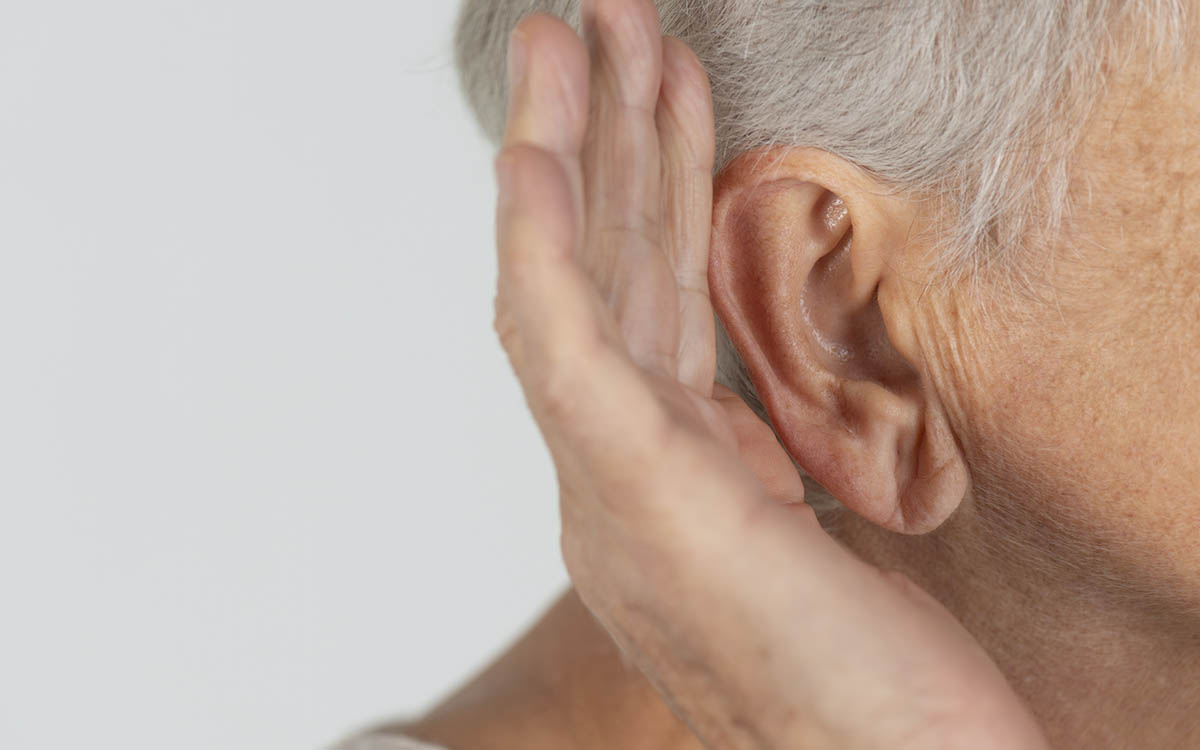
Commonly, clinicians link hearing loss with advancing age, though for a significant portion of the population, hearing damage begins much sooner. Noise-induced hearing loss is one of the most common and preventable forms of damage to our hearing, but it often occurs gradually and goes unnoticed until the effects are permanent.
An objective understanding of noise-related auditory impact over time can help you protect yourself before significant hearing loss occurs.
Identifying the Clinical Indicators of Acoustic Injury
Noise-induced hearing loss occurs when loud sounds damage the delicate structures inside the inner ear. Data from the CDC indicate that, auditory impairment may begin with chronic exposure to noise levels over 85 decibels. Intense noise sources, specifically firearms or industrial tools, can compromise hearing integrity within a very brief timeframe.
Within the cochlea are specialized sensory structures referred to as hair cells. The function of these cells is to transduce mechanical vibrations into neural impulses for cerebral processing. The inability of hair cells to regenerate after trauma explains why noise-induced hearing loss results in a permanent auditory deficit.
The Cumulative Development of Acoustic Injury
It is clinically significant that noise-induced hearing loss often manifests through a slow, cumulative process. Early exposure may cause symptoms like:
- Occasional instances of Tinnitus, characterized by ringing or buzzing sounds
- A feeling of muffled hearing after loud events
- Impaired speech discrimination in the presence of background noise
While these preliminary indicators may dissipate, this should not be mistaken for complete physiological recovery. Despite the lack of symptoms, persistent noise exposure causes cumulative injury to the ear, leading to a progressive decline in hearing resolution.
The hearing loss Association of America estimates that 48 million individuals in the US suffer from hearing loss, often without recognizing the contributing factors.
Recognizing Routine Sound Hazards Impacting Auditory Longevity
We live in a noisy world, and it’s easy to become desensitized to loud sounds. Due to this, the commonality of injurious sound exposure often goes unrecognized.
Commonly encountered risks include:
- Venues featuring high-decibel live music
- High-volume output from personal listening equipment
- Lawn equipment, power tools, and motorcycles
- Industrial workplace environments such as warehouses and construction sites
Due to the routine nature of these sounds, auditory injury may accrue in the absence of overt symptoms.
The Clinical Necessity of Preventative Measures
Unlike other health conditions, noise-induced hearing loss cannot be reversed. Despite its permanence, the condition is significantly preventable. The implementation of basic protective protocols can substantially mitigate risk, such as:
- Utilizing hearing protection devices like earplugs in noisy settings
- Reducing personal audio volume and adhering to the 60/60 safety guideline
- Taking listening breaks to give your ears time to recover
- Arranging for routine Audiology assessments if noise exposure is frequent
Triggers for Clinical Auditory Assessment
If you notice persistent ear ringing, difficulty following conversations, or changes in hearing clarity, you should seek evaluation from a hearing professional. Early assessment is critical for monitoring, education, and the development of protective strategies to help preserve your hearing.
Implementing protective measures today safeguards your auditory capacity for the years ahead. Noise may be unavoidable, but hearing loss doesn’t have to be!. We invite you to schedule an appointment with our team to optimize your hearing function.