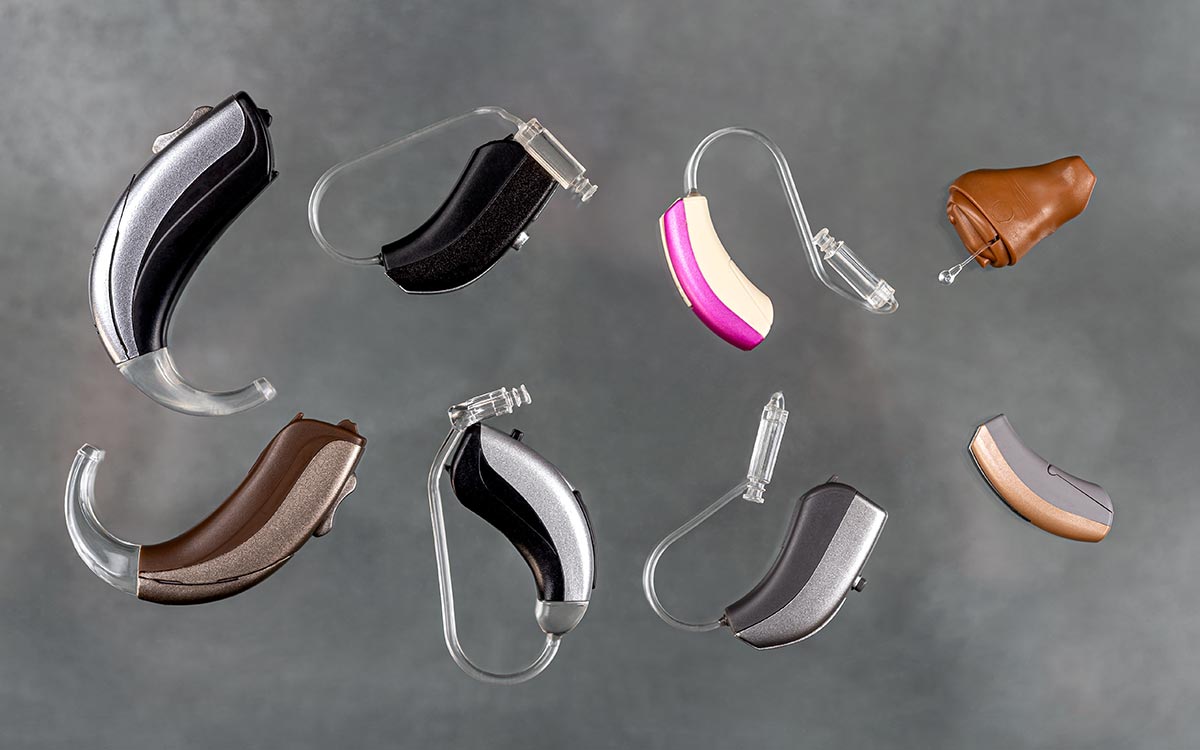
The total amount of hearing aid designs and technology levels on the market today can make the selection process feel complicated. Rest assured that there is an assistive device customized to every lifestyle and degree of impairment. It’s just an issue of locating it!
Understanding the differences among the most popular types of hearing aids can help you feel more informed and confident as you explore your options. We are going to analyze the primary styles available today to help you understand what sets each option apart.
ITC (In-the-Canal) Hearing Systems
The Layout:
ITC hearing aids sit partially in the ear canal, with a small portion visible at the outer ear.
Common Benefits:
- Provides a subtle look compared to traditional styles
- Tailored to the specific shape of your ear
- Suitable for mild to medium hearing loss
Because they provide both discretion and helpful features, ITC models are a top pick for those new to hearing technology.
Invisible-in-Canal (IIC) Hearing Aids
How they work:
As the most compact custom option, IIC aids represent the smallest available style. They sit deeply inside the ear canal and are virtually invisible when worn.
Why they are popular:
- Optimal cosmetic discretion
- Strategic placement allows for a very organic listening experience
- So light and small that users frequently don’t notice they are wearing them
IIC devices are mainly aimed at those with moderate hearing needs who want their technology to remain completely unnoticed.
ITE (In-the-Ear) Model Summary
Product Details:
An ITE hearing aid fits snugly within the outer ear, available in both full-shell and half-shell configurations. The shell is specially formed to the specific contours of your individual ear.
Value Proposition:
- The larger size makes it feasible to include more internal components and longer-lasting batteries
- Easier to handle for those with dexterity challenges
- Effective for an extensive range of hearing impairments, ranging from mild to severe
ITE models are frequently selected by individuals who want an uncomplicated, all-in-one design without behind-the-ear components.
Exploring BTE Styles
What they represent:
Placed securely on the back of the ear, BTE models sit on the outer ridge. Audio travels through a specialized tube or custom-fit mold into the ear opening.
Reasons for Selection:
- Regarded as one of the most reliable and robust designs available
- Work for almost all degrees of hearing loss
- The size provides plenty of space for the latest connectivity features and rechargeable hardware
The combination of ease of use and powerful audio makes BTE aids an excellent contender for many patients.
Receiver-in-Canal (RIC) Hearing Aids
Mechanical Arrangement:
While they match BTE units, RIC aids set the speaker directly in the canal for better sound delivery.
Key Benefits:
- Provides a remarkably clear and lifelike listening experience
- The ultra-thin style is both light and nearly effortless to wear
- Flexible enough to address an extensive number of hearing impairments
Thanks to their ease and aesthetic beauty, RIC devices have become a gold standard.
Extended-Wear Hearing Aids
Overview:
A hearing specialist places these specialized hearing aids deep into the canal, where they remain for multiple weeks.
The Draw:
- No daily insertion or removal
- Sitting low in the canal makes them completely hidden from view
- Built to withstand the stresses of sleep, exercise, and showering without being removed
If you want a hearing solution that requires zero daily thought, the extended-wear style is perfect.
Connected Wireless Systems
Tech Specs:
Bluetooth-ready hearing aids allow for an electronic bridge between your hearing technology and your smart devices.
Why people choose them:
- Stream calls, music, and audio straight to the hearing aids
- Modify settings via a mobile tool
- Provides the ultimate in ease for people who use smartphones regularly
You can find Bluetooth capabilities integrated into a variety of form factors, from RIC and BTE to custom ITC designs.
Surgically Implanted Middle-Ear Systems
What they represent:
An operatively implanted device that physically vibrates the middle ear bones to amplify sound.
Why implants are used:
- Option for those who cannot use traditional hearing aids
- This is a specialized choice for those with chronic ear canal sensitivity.
An exhaustive consultation with a specialist professional is necessary before considering a middle-ear implant.
Finding the Hearing Aid That Suits Your Lifestyle
There is no one single “best” hearing aid for hearing loss or tinnitus; rather, there is a best one for you, determined by your medical needs and personal comfort. An expert can provide the guidance needed to test out different styles and find the one that fits your life perfectly.
Begin your path to better sound by setting up a hearing test now. It is the most important move you can make toward an increasingly vibrant and confident life.
Sources:
https://www.mayoclinic.org/diseases-conditions/hearing-loss/in-depth/hearing-aids/art-
20044116
https://www.hearinglife.com/hearing-aids/types
https://www.nidcd.nih.gov/health/hearing-aids